Slow Down to Blow Minds: The Art of Tempo and Silence in Magic Performance
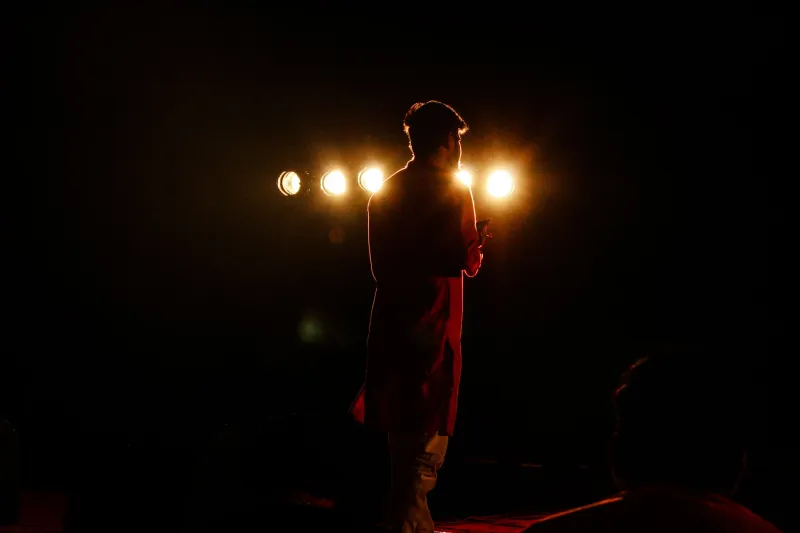
Every magician has been there. You nail the sleight, the card appears exactly where it should, and the audience... claps politely. Not the jaw-dropping, wide-eyed stunned silence you were going for. Just a nice round of applause, like you did something mildly impressive at a company picnic.
Here's the uncomfortable truth: the trick probably wasn't the problem. The pacing was.
Most magicians obsess over speed — how fast the coin vanishes, how quickly the card changes, how slick the whole thing looks. But professional performers, the ones filling theaters and headlining cruise ships, will tell you something different. The real magic happens in the spaces between things. The pauses. The breath. The deliberate, almost agonizing slowdown before the reveal.
Borrowing from music theory and stage acting might feel like a weird flex for a magic blog, but trust us — this is where the good stuff lives.
Why Your Brain Needs a Moment to Catch Up
Here's a quick bit of psychology worth understanding. When something surprising happens, your brain doesn't process it instantaneously. There's a tiny lag — a fraction of a second where your mind scrambles to reconcile what it expected with what it just witnessed. That gap? That's where wonder lives.
When you rush through a routine, you're essentially bulldozing over that gap before the audience can fall into it. You move to the next beat before the last one has landed. The result is a performance that feels technically impressive but emotionally hollow.
Think about how a great jazz musician handles a solo. They don't just play more notes faster. They know exactly when to hold a note, when to drop into silence, when to let a phrase breathe before resolving it. That tension and release is what makes music feel alive. The same principle applies to a magic routine, beat for beat.
The Three Zones of a Routine's Tempo
A well-paced magic performance isn't just "slow" or "fast" — it moves through distinct zones, each serving a specific emotional purpose.
Zone One: The Setup (Slow and Deliberate) This is where you establish the world of the trick. You're showing the audience what's normal before you shatter it. Rushing this zone is one of the most common mistakes newer performers make. Give people time to examine the deck, watch you count the coins, understand what they're looking at. The more thoroughly you establish the ordinary, the more powerful the extraordinary moment hits.
Zone Two: The Build (Variable and Strategic) This is where tempo variation becomes your sharpest tool. Speed up slightly as tension increases — it mirrors the natural acceleration of anticipation. Then, right before the climax, pull back. Slow down. Drop your voice. Let silence creep in. This is the moment theaters call "the button" — that pregnant pause before the punchline that makes the punchline land three times harder.
Zone Three: The Reveal (Controlled and Confident) Counter-intuitively, the reveal itself shouldn't be rushed. A lot of magicians snap through the reveal like they're ripping off a Band-Aid. Instead, let it unfold. A slow turn of the hand, a deliberate spread of the cards, a steady gaze at the audience before looking at the outcome yourself. You're giving everyone's brain time to register what just happened — and giving the wonder room to bloom.
Silence Is Not Dead Air
American audiences, especially in informal settings, are trained to be uncomfortable with silence. We fill it. We laugh nervously, we check our phones, we whisper to the person next to us. As a performer, you need to own that discomfort rather than flee from it.
Practiced, intentional silence is one of the most powerful tools in a stage performer's kit. A well-placed three-second pause before a reveal does more emotional heavy lifting than thirty seconds of patter. It tells the audience: something significant is about to happen. It primes them. It makes them lean in.
The key is that the silence has to feel chosen, not accidental. Your body language, your eye contact, the way you hold yourself during that pause — all of it signals confidence. If you look like you forgot what comes next, the silence reads as a mistake. If you look like you're giving the universe a moment to rearrange itself, it reads as mastery.
Practical Drills for Developing Your Internal Metronome
Good pacing isn't something you just decide to do — it's something you train. Here are a few concrete ways to build that skill.
Record and timestamp your performances. Watch the footage and literally mark the timestamps where you rush. Most performers are shocked to see just how little time they actually give their reveals. Awareness is the first fix.
Perform to music without speaking. Pick a piece of instrumental music with clear dynamic shifts — something like a film score works well — and perform your routine to it without any patter. Let the music force your tempo. Notice how naturally you slow down when the music does.
Use a metronome during practice. Set it slow — slower than feels comfortable. Run through your routine at that pace. It'll feel bizarre at first, but it recalibrates your sense of what "slow" actually is. Most magicians think they're performing slowly when they're still moving at a clip.
Study stand-up comedians. Seriously. Comedians are tempo masters. Watch how someone like Gary Gulman or Nate Bargatze handles the pause before a punchline. That exact same principle — the strategic withholding of resolution — is what you're going for before a reveal.
The Rhythm of Wonder
At the end of the day, a magic routine is a story. And like any story, it needs rhythm to work. It needs peaks and valleys, fast passages and slow ones, moments of chaos and moments of stillness. When every beat hits at the same velocity, the whole thing flattens out into noise.
The magicians who genuinely move people — who get the gasps and the stunned silences and the "how did you do that" whispered in actual disbelief — aren't necessarily the most technically skilled performers in the room. They're the ones who've learned that the audience's emotional experience is as choreographed as any sleight of hand.
Slow down. Breathe. Let the silence work. The trick is already good. Give it room to become something unforgettable.